Learn Yoga Online Free
in 2-Minute Quick Workouts
Quick yoga workouts for beginners, kids, and adults. Simple yoga exercises at home with no mat needed. Discover the meaning, history, philosophy, and benefits of yoga in bite-sized, science-backed sessions.
What Is Yoga? Meaning, History, Philosophy & Benefits
Yoga meaning
The word yoga comes from the Sanskrit root yuj, meaning “to yoke” or “to unite.” At its core, yoga is a 5,000-year-old mind-body practice that combines physical postures (asana), breath control (pranayama), and meditation to unite body, mind, and breath. Modern quick yoga workouts adapt these ancient techniques into simple yoga exercises at home that anyone can do in minutes.
Yoga history
Yoga originated in ancient India, with the earliest references in the Rig Veda (c. 1500 BCE). It evolved through the Vedic, Pre-Classical, Classical (Patanjali’s Yoga Sutras, c. 400 CE), Post-Classical, and Modern periods — the last of which spread yoga online for beginners worldwide. Today you can learn yoga online free through guided routines, video, and structured programs.
Yoga philosophy
Patanjali’s Yoga Sutras describe the Eight Limbs of Yoga — ethical restraints, observances, postures, breath, sense withdrawal, concentration, meditation, and absorption. Modern yoga philosophy distills these into three accessible ideas: move with awareness, breathe with intention, and rest with presence. These three pillars power every quick yoga routine for beginners on this site.
Yoga benefits
Research shows that even 2 minute yoga breaks can lower cortisol, improve heart-rate variability, and reduce perceived stress. Quick yoga for kids builds focus and body awareness; quick yoga poses for adults release neck, shoulder, and lower-back tension. Learn yoga for adults at home — no mat, no experience, no studio — and feel the difference in your first session.
New to yoga? Start with our most popular practice: Desk & Office Yoga · Pre-Presentation Reset · Morning Energy Boost
Bite-Sized Yoga Routines for Busy Professionals
Each micro yoga session is 2–5 minutes, designed to fit seamlessly into your workday. Quick yoga stretches for instant calm and tension relief.
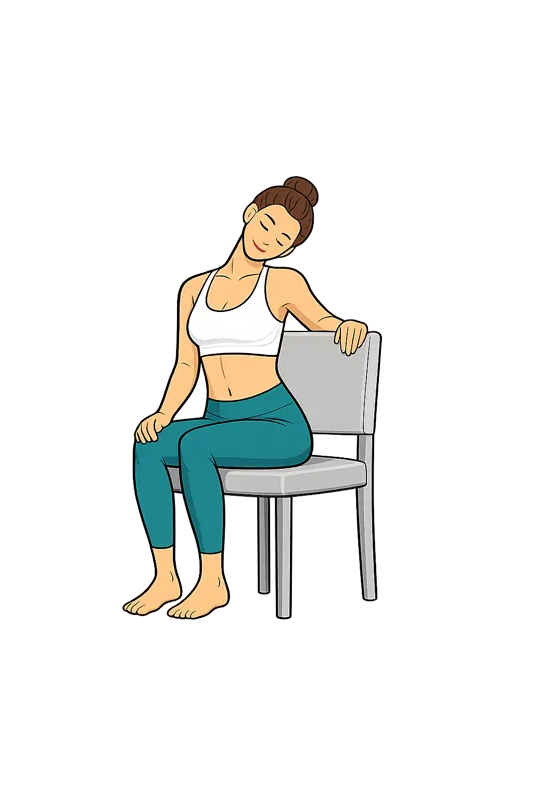
The 3-Minute Desk Reset for Neck Tension
Need quick office yoga stretches for neck pain? Release tension fast with this 3-minute desk yoga sequence for busy professionals. No mat needed.
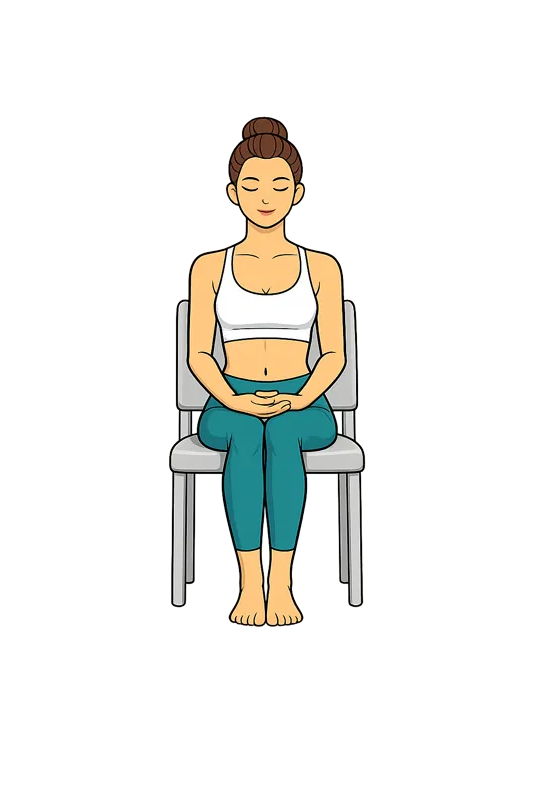
5:5 Heart Coherence Breathing
Science-backed 5-minute breathing for stress relief. Optimize heart rate variability and activate your vagus nerve with this quick yoga breathing routine.
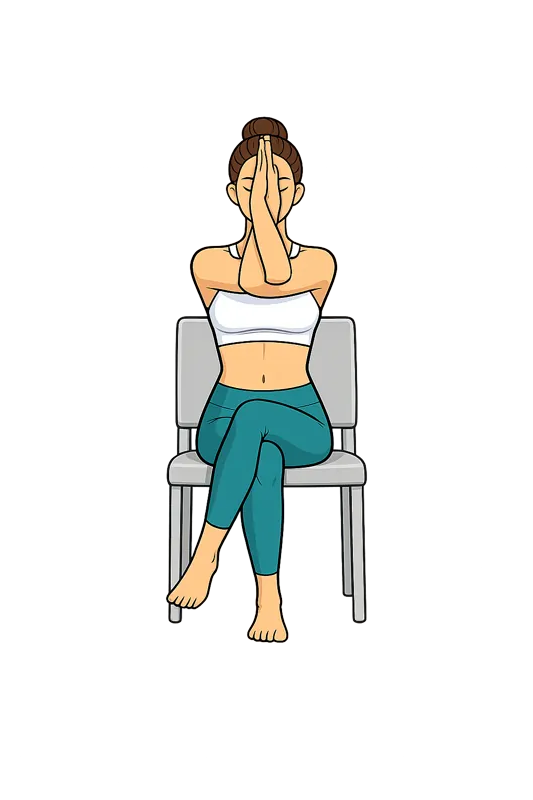
The 2-Minute Wrist & Eye Relief Flow
Combat computer eye strain and wrist pain with this quick 2-minute yoga flow. Perfect screen fatigue relief for desk workers and students.
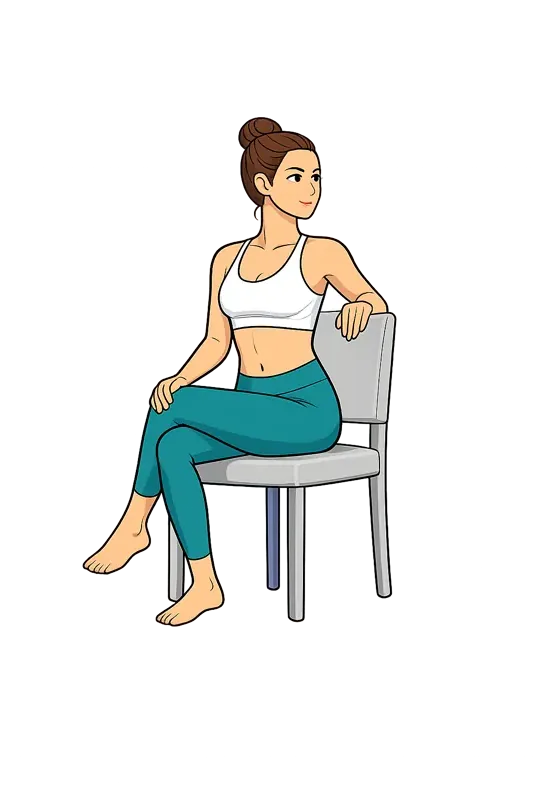
Seated Spinal Twist for Mental Clarity
Restore mental clarity and spinal mobility with this 4-minute seated twist. Quick chair yoga for focus — perfect office yoga for busy professionals.
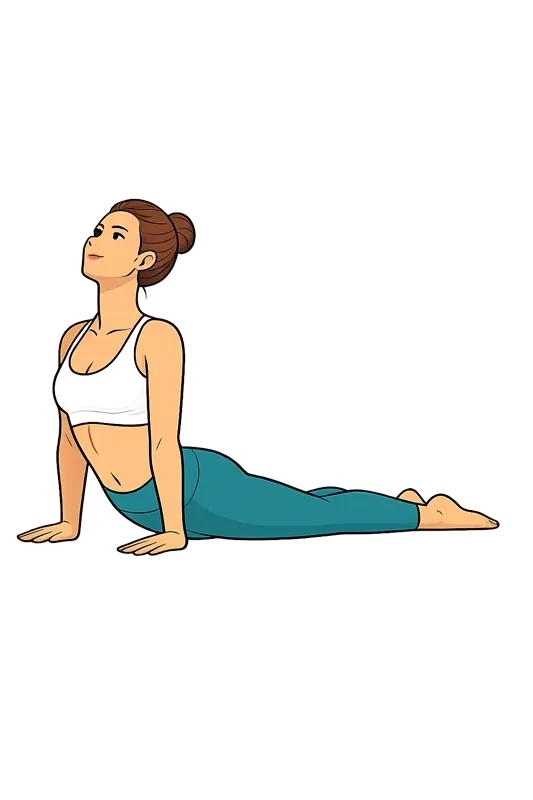
The 4-Minute Vagus Nerve Activation Sequence
Activate your vagus nerve and shift into rest-and-digest mode with this science-backed 4-minute nervous system reset yoga sequence.
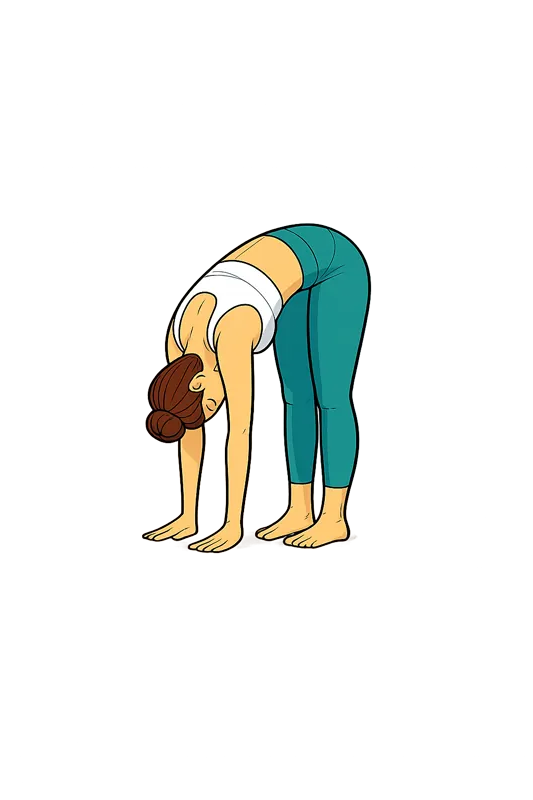
Standing Energy Reset
Combat afternoon fatigue with this quick 3-minute standing yoga flow. Quick yoga stretches to boost energy without leaving your workspace.
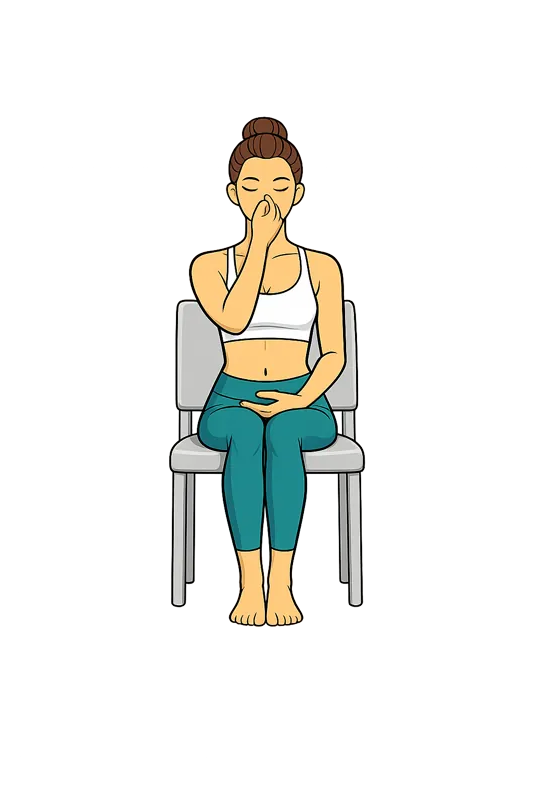
Alternate Nostril Breathing for Anxiety
Calm acute anxiety in 3 minutes with alternate nostril breathing. This fast yoga breathing technique balances your nervous system and reduces panic naturally.
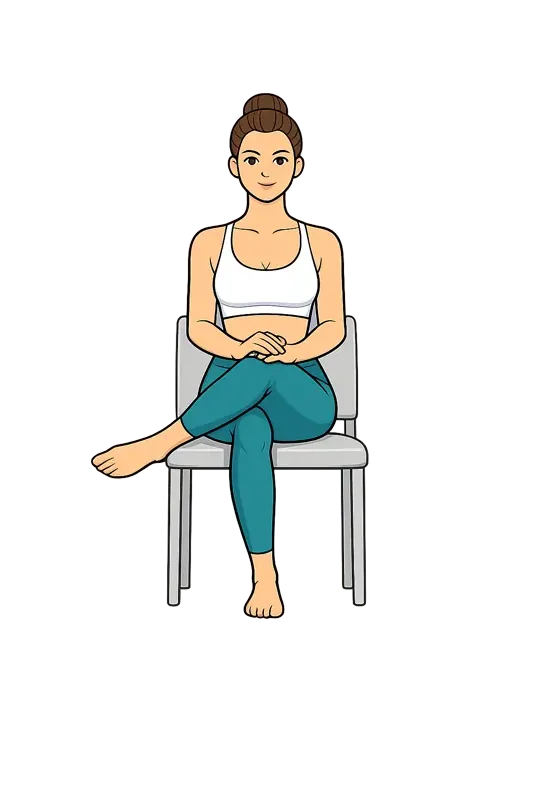
The 5-Minute Lower Back & Hip Release
Release lower back tension and tight hips from sitting with this gentle 5-minute chair yoga sequence. Quick yoga stretches for desk workers with back pain.
How a 2-Minute Yoga Session Can Lower Stress
Activates Your Nervous System
Quick yoga stress relief works by activating your parasympathetic nervous system through gentle movement and focused breathing. These micro yoga sessions are designed to interrupt the stress cycle before it compounds. Research shows that even 2 minute yoga breaks can reduce cortisol by up to 25%, making bite-sized yoga one of the most efficient yoga stress management tools available.
Fits Any Schedule, Anywhere
Traditional yoga requires 60 minutes and a studio. Quick yoga workouts remove every barrier. You can practice office desk yoga in your chair, fast yoga routines between meetings, and quick tension relief stretches without changing clothes. Consistency beats duration every time.
Targets Desk Pain Points
Our office yoga stretches target the neck, shoulders, wrists, and lower back — the areas most affected by prolonged sitting. Each fast yoga routine is designed for your desk chair and requires no equipment. Perfect for corporate yoga breaks and home office yoga stretches.
Built for Students, Too
Exam stress and academic pressure demand rapid anxiety relief stretches that fit between classes. Our short yoga for beginners sequences include calming breathing techniques for nervous system reset yoga and meditation yoga stress relief — all under 5 minutes.
Frequently Asked Questions
Everything you need to know about bite-sized yoga, quick yoga stress relief, and micro yoga sessions.
How does 5:5 breathing affect Heart Rate Variability (HRV)?
5:5 breathing (5-second inhale, 5-second exhale) optimizes Heart Rate Variability by synchronizing your breathing rate with your heart's natural resonance frequency, typically around 5-6 breaths per minute. This pattern maximizes baroreflex sensitivity and vagal tone, creating coherence between your heart and respiratory rhythms. Research shows that regular resonance breathing can increase HRV by up to 40%, indicating improved cardiovascular health and stress resilience. Higher HRV is associated with better emotional regulation, reduced anxiety, and enhanced parasympathetic nervous system function.
Breathing & ScienceCan micro-duration yoga sessions actually lower cortisol levels?
Yes, even brief yoga and breathing practices can significantly reduce cortisol. Studies show that just 3-5 minutes of deep breathing or gentle yoga can decrease cortisol by 15-25% within 20 minutes of practice. The key mechanisms include activation of the parasympathetic nervous system, which directly inhibits the HPA axis (your stress hormone pathway), vagus nerve stimulation through breath control and specific poses, and the mindful attention component which reduces perceived stress. The cumulative effect of regular micro-practices (multiple times per day) can be as effective as longer sessions for cortisol management.
Stress & HormonesHow quickly can I feel relief from desk yoga for neck and shoulder tension?
Most people experience immediate relief—within 2-5 minutes—from targeted desk yoga stretches. The neck and shoulder region responds quickly because these muscles are relatively superficial and highly responsive to stretching, gentle movement increases local blood flow delivering oxygen and removing metabolic waste products, and proprioceptive feedback to the brain reduces pain perception. For sustained relief, consistency is key: practicing these 3-minute sequences 2-3 times daily can reduce chronic neck pain by up to 40% within two weeks, according to workplace wellness studies.
Pain ReliefWhat is vagus nerve activation and why does it reduce anxiety?
The vagus nerve is the primary nerve of your parasympathetic (rest-and-digest) nervous system, running from your brainstem through your neck, chest, and abdomen. Activating it through practices like humming (bee breath), slow breathing, or gentle neck movements signals your body to shift out of fight-or-flight mode. This reduces anxiety by lowering heart rate and blood pressure, increasing production of GABA (your brain's calming neurotransmitter), reducing cortisol and stress hormones, and improving HRV. The beauty of vagus nerve exercises is their rapid effect—you can feel calmer within 60-90 seconds.
Nervous SystemWhen is the best time to practice these bite-sized yoga sessions?
The best time is whenever you feel stressed, but strategic timing enhances benefits. Morning (upon waking): energizing standing sequences and breathing set a calm focused tone for the day. Mid-morning (10-11am): when cortisol naturally peaks, a 3-5 minute breathing practice optimizes your stress response. Afternoon (2-4pm): combat the post-lunch slump with standing energy resets or seated twists. Before bed: calming breathing techniques like 5:5 coherence breathing prepare your nervous system for deep sleep. The key is consistency—even one or two strategic sessions daily will compound into significant stress resilience over time.
Practice TipsI have never done yoga before. Are these practices safe for complete beginners?
Absolutely! These bite-sized yoga sequences are specifically designed for complete beginners with no prior experience. Every practice requires no special equipment (just a chair or your desk), uses simple accessible movements that respect your body's current limitations, focuses on breath and gentle stretching—not flexibility or strength—and includes clear step-by-step instructions with safety cues. You don't need to be flexible, fit, or have any yoga background. These are therapeutic micro-duration practices designed for real people with busy lives and bodies shaped by desk work. Start with the 2-3 minute sequences and progress at your own pace.
Getting Started